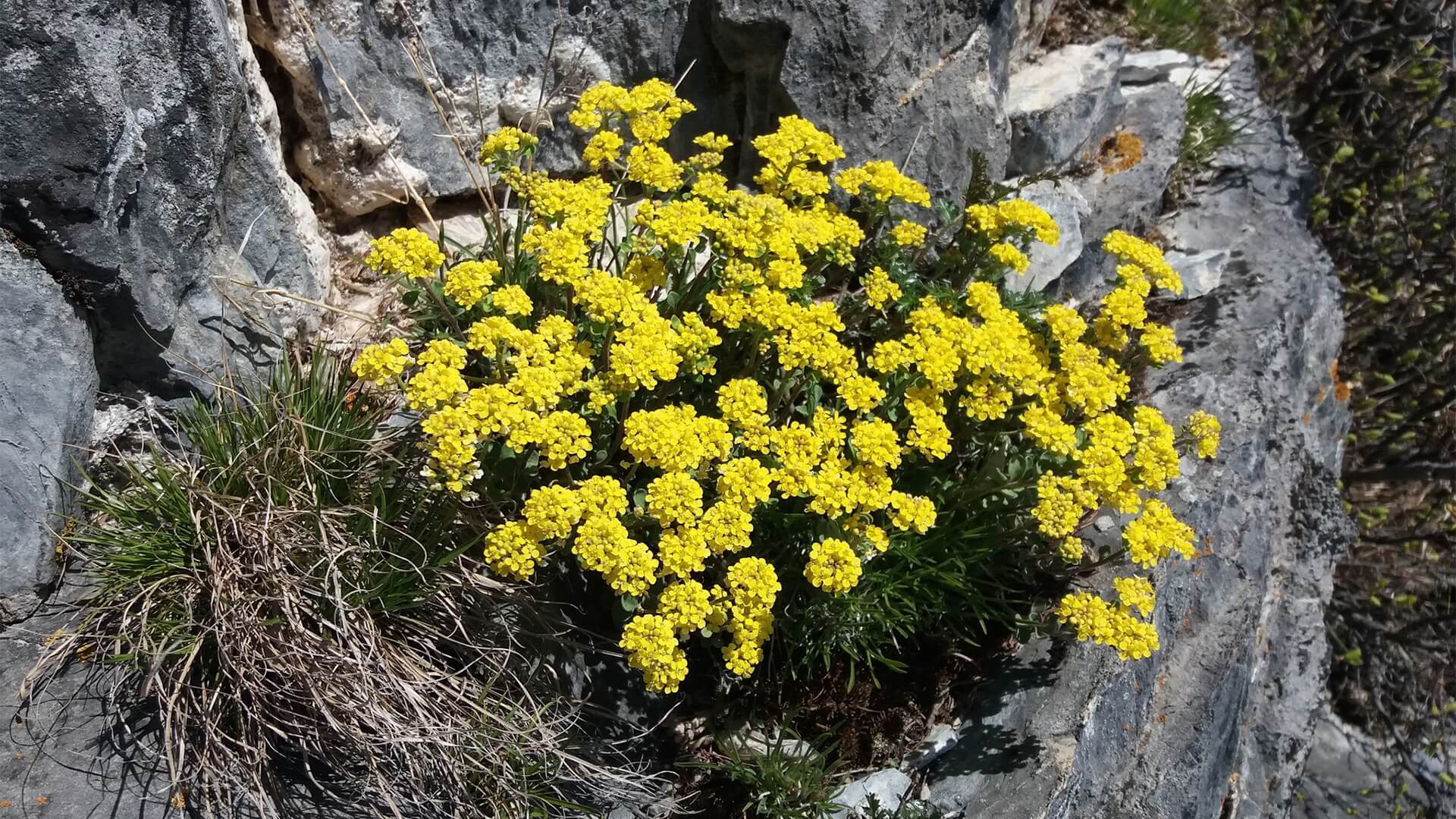


A plant long treated as a nuisance is being recast as a source of critical metal. Known locally as Lulja e Qenit, and scientifically as Odontarrhena chalcidica, it grows in the nickel-rich soils of northern Albania, where conventional crops struggle. Cattle avoid it, and farmers once tried to burn it out of their fields. Now the start-up Metalplant is cultivating it for the nickel it naturally pulls from the ground.
The process is called phytomining: using plants to extract metals from soil, then processing the biomass to recover them. Odontarrhena chalcidica is a nickel hyperaccumulator, storing unusually high concentrations of nickel in its leaves and stems. Metalplant says the plant can contain more than 2 percent nickel by dry weight, comparable to some mined ores.
Metalplant grew out of an earlier carbon-removal problem. Eric Matzner, a U.S. climate tech entrepreneur, had worked with olivine, a mineral used in enhanced rock weathering to remove carbon dioxide. But olivine can release nickel as it weathers, raising concerns about marine ecosystems. Matzner later connected with Albanian businessman Sahit Muja, whose land in Tropojë offered both olivine and nickel-rich soils. A pollution-control question became a business model: grow the plant, harvest it, and sell the metal, as reported by Chemical & Engineering News.
Conventional nickel mining is energy-intensive and often tied to deforestation, water pollution, and human rights concerns, especially as Indonesia expands production for batteries and stainless steel. The Associated Press has reported that deforestation more than doubles in some Indonesian areas after nickel processing plants come online, and Reuters has noted investor pressure over related risks.
Phytomining does not eliminate environmental tradeoffs, but it changes the starting point. Instead of blasting ore from mines, Metalplant grows a crop on land poorly suited to food production. After harvest, the plants are burned into ash and processed into nickel salts or ingots. Metalplant says it offsets those emissions by spreading crushed olivine across its fields, where the mineral stores carbon and replenishes nickel in the soil. The company markets the result as “NegativeNickel,” claiming the process can remove about 200 kilograms of carbon dioxide for every kilogram of nickel produced.
For now, phytomining remains small-scale and expensive. Metalplant is not trying to beat Indonesian nickel on price; it is courting buyers willing to pay more for lower-impact supply chains. Matzner argues that conventional nickel would look less cheap if its environmental costs were included.
The field is gaining attention. In 2024, the U.S. Department of Energy’s ARPA-E program announced $9.9 million for seven phytomining projects, including Metalplant’s work to improve yields and reduce invasiveness risks.
For Muja, the project is local: Northern Albania’s nickel-rich soils have long limited agriculture. Whether the model can scale remains uncertain, but in Tropojë, a weed once treated as worthless is being asked to grow metal for the energy transition without repeating the worst damage of mining.