

A great trip doesn’t require a massive budget—it requires a decent plan. Here’s what the data actually say about keeping costs down without giving anything up.
Overpaying for flights is easy to avoid. Booking domestic flights one to three months out saves up to 25 percent compared to last-minute purchases, and flying Monday through Wednesday costs about 13 percent less than weekend travel—a difference that can reach nearly $100 per ticket. One counterintuitive bright spot: August is actually the cheapest month for economy fares, despite being peak season.
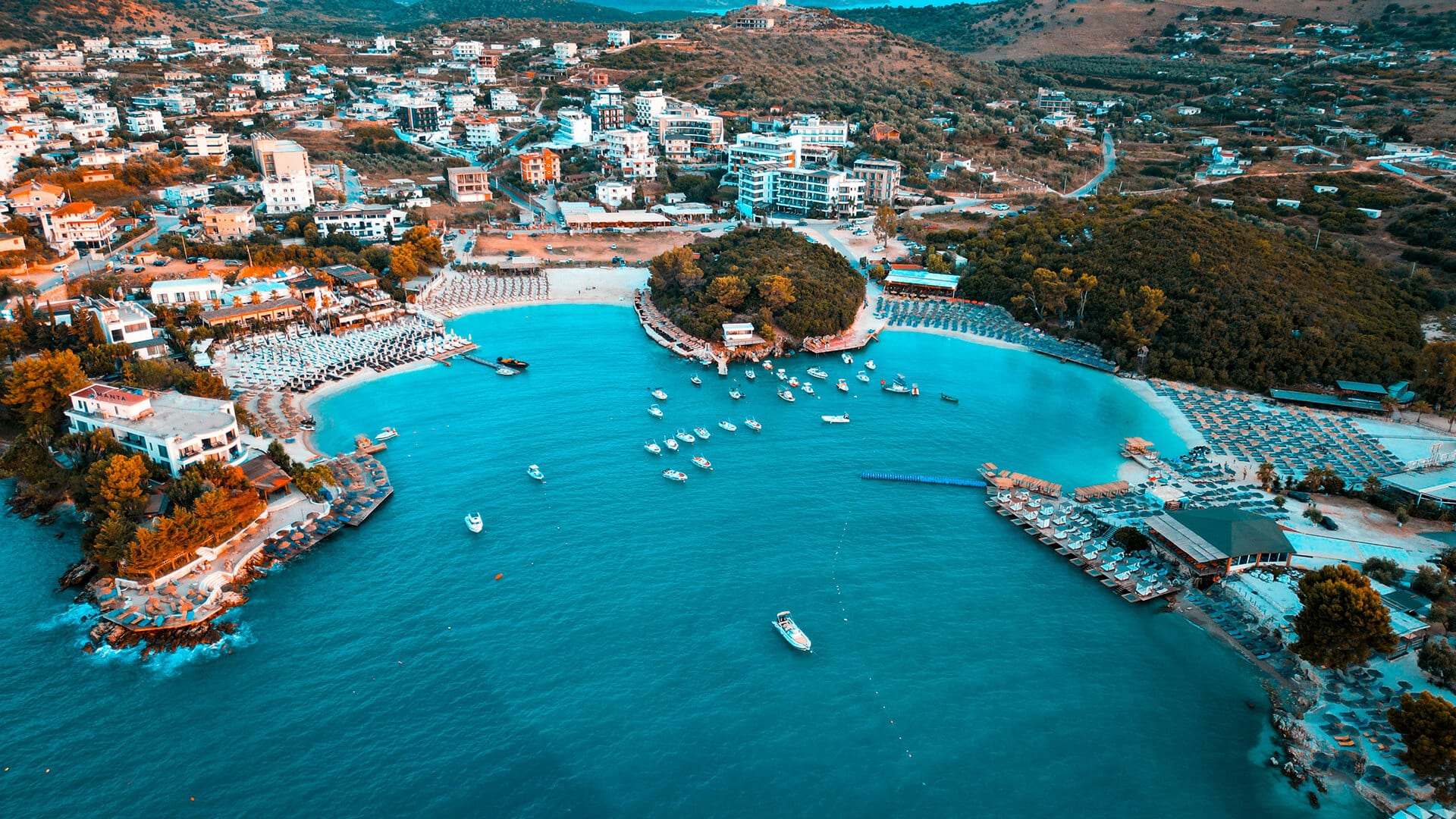
Currency exchange rates have made several genuinely spectacular destinations cheap for American travelers right now. Take Albania’s Adriatic coast—still largely off the tourist circuit—runs about $5 to $10 for a solid meal and $11 to $14 a night for a hostel bed, per Indie Traveller. Vietnam, Thailand, and the Philippines are all manageable on $25 to $40 a day, including accommodation and food. For domestic travel, cities like Pittsburgh and St. Louis are worth serious consideration — both have substantial free museum collections, distinctive neighborhoods, and cultural institutions that make for a full trip without enormous spend.
Accommodation is one of the biggest daily cost variables, and hostels have changed considerably from their reputation. Beds start around $15 a night in Eastern Europe and $30 in major Western European cities—a fraction of hotel rates in the same locations. Beyond the price, hostels are particularly well-suited to solo travelers; while a single hotel room costs nearly the same as a double, in a hostel you pay by the bed. Most also include communal kitchens, which meaningfully cuts food costs on longer trips.
Nail those three decisions upfront and the rest of the budget mostly handles itself.